December 21, 2025 | by Theo Rowan
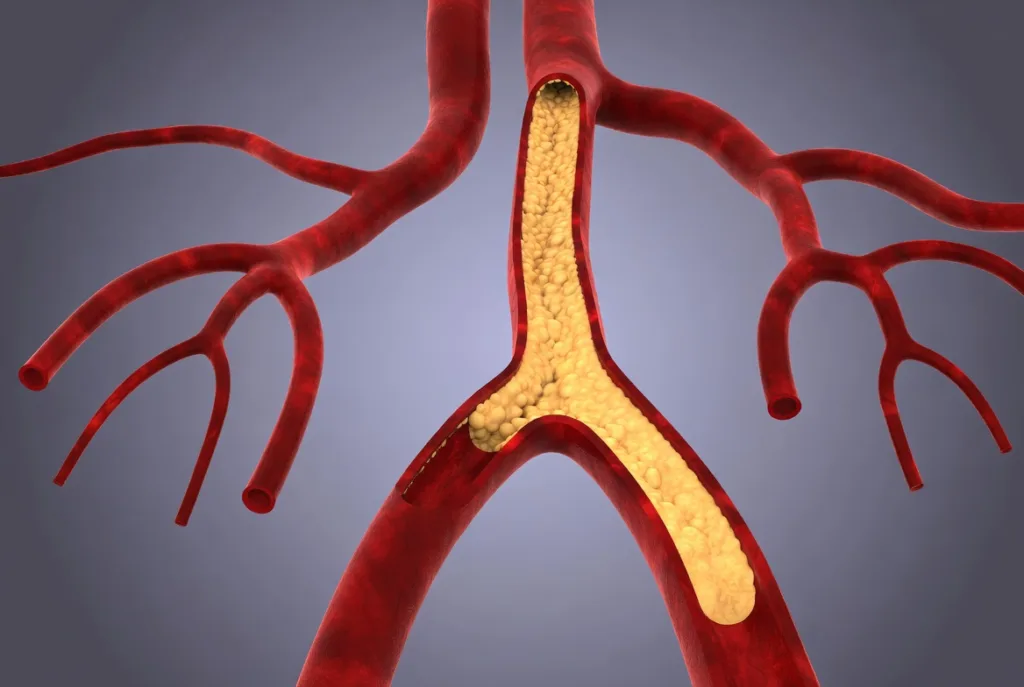
As a cardiologist with years of experience in preventive cardiology, I’ve seen firsthand how lifestyle choices can dramatically reduce the risk of cardiovascular diseases. In this article, we’ll explore how to prevent clogged arteries, also known as atherosclerosis, a leading cause of heart attacks and strokes. With updates from the 2025 American Heart Association (AHA) guidelines, including the new PREVENT calculator for risk assessment, you can take proactive steps today. Atherosclerosis occurs when plaque builds up in your arteries, restricting blood flow. But the good news? It’s largely preventable through evidence-based habits.
Clogged arteries develop over time due to factors like high cholesterol, inflammation, and endothelial damage – the inner lining of your blood vessels. The 2025 AHA/ACC guidelines emphasize early intervention, recommending blood pressure targets below 130/80 mmHg for most adults to prevent plaque formation. Uncontrolled diabetes, smoking, and chronic stress accelerate this process by oxidizing LDL cholesterol, leading to plaque buildup.
Recent 2025 research highlights innovative approaches, such as genetic variants affecting coronary development and small RNA molecules regulating cholesterol. For instance, a study from UC Riverside identified a tsRNA that influences heart disease by modulating cholesterol metabolism, opening doors to targeted therapies. Prevention starts with awareness: Use tools like the AHA’s PREVENT calculator to estimate your 10-year CVD risk and tailor your plan.
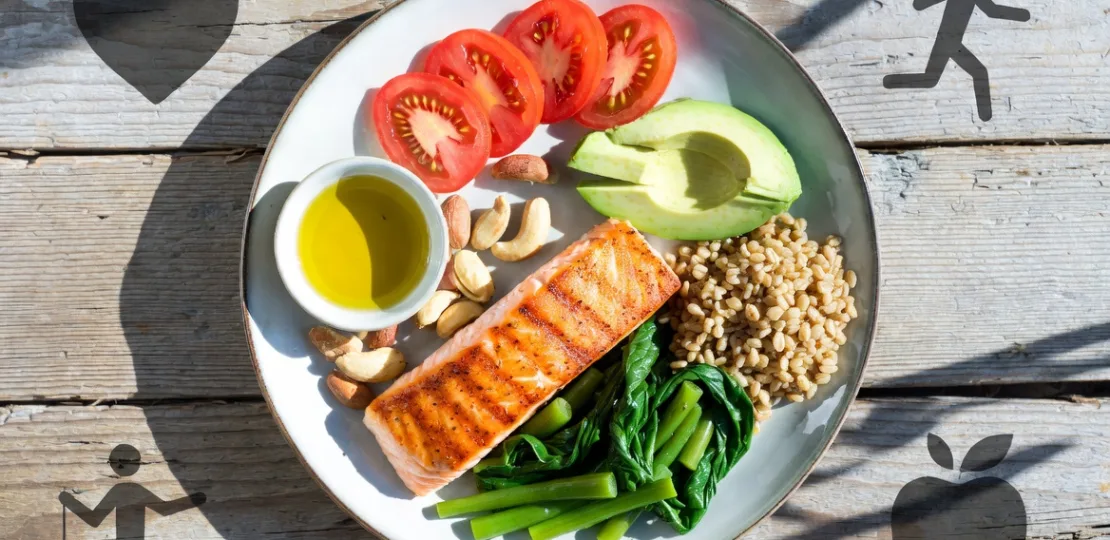
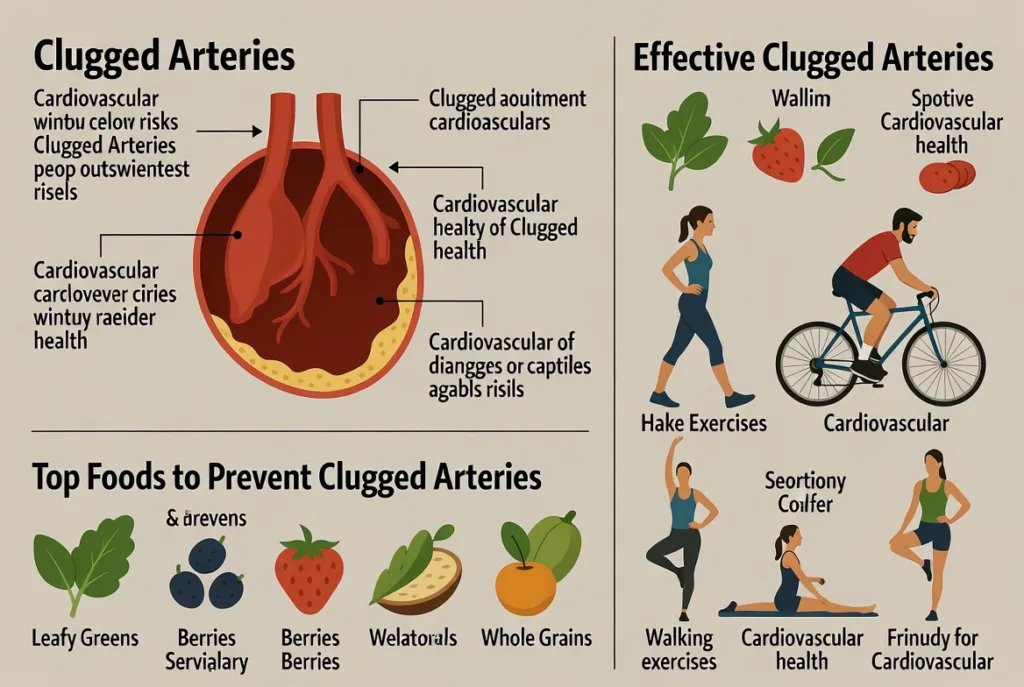
Diet plays a pivotal role in preventing clogged arteries. The Mediterranean diet stands out, with 2025 studies confirming it reduces cardiovascular events by up to 48% and improves brain health in older adults. Focus on anti-inflammatory foods rich in antioxidants, healthy fats, and fiber.
Key recommendations:
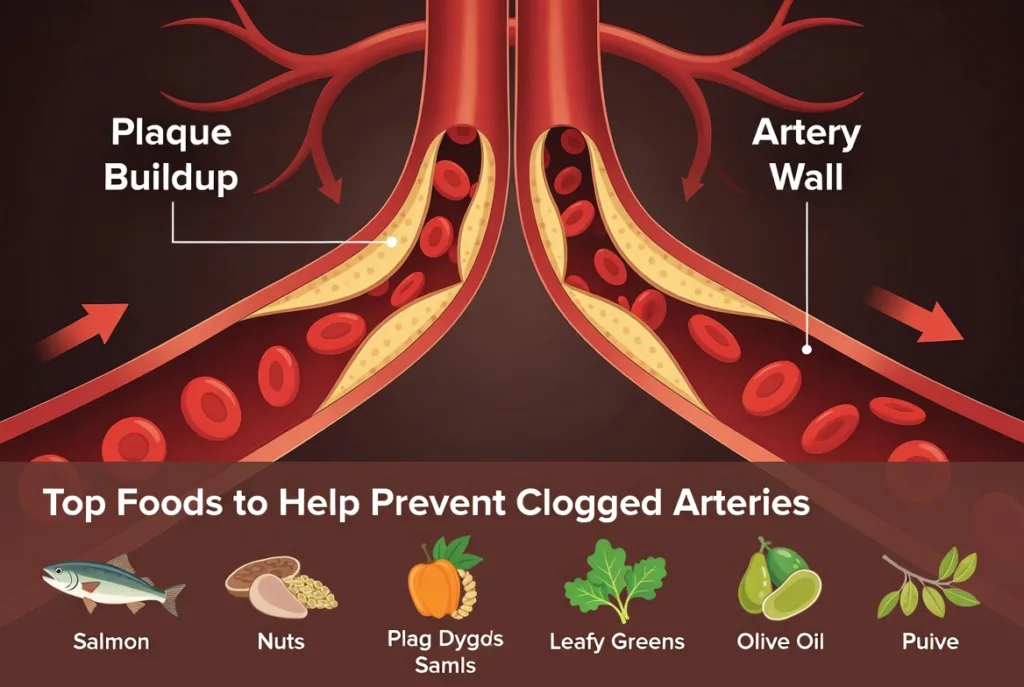
A 2025 Harvard review underscores the Mediterranean diet’s ability to lower heart disease rates by improving glucose control and reducing inflammation. Incorporate these into meals: A salad with avocado, olive oil, and grilled salmon can be a powerhouse for heart health.
Avoid processed foods: Fruit juices spike fructose, converting to harmful triglycerides, while flavored yogurts hide added sugars that damage vessels.
Physical activity is non-negotiable for artery health. The 2025 AHA highlights exercise’s role in stabilizing plaques and improving vascular function. High-Intensity Interval Training (HIIT) shines here, outperforming steady cardio in reducing arterial stiffness.
HIIT involves short bursts of intense effort followed by rest – think 30 seconds of sprinting alternated with walking. Studies show it enhances plaque stability, lowering rupture risk that leads to clots. Start with 20-30 minutes, 3-4 times weekly, after medical clearance.
Combine with brisk walking: 150 minutes of moderate activity per week, per guidelines. Post-meal walks (10-15 minutes) aid nutrient absorption and blood sugar control.
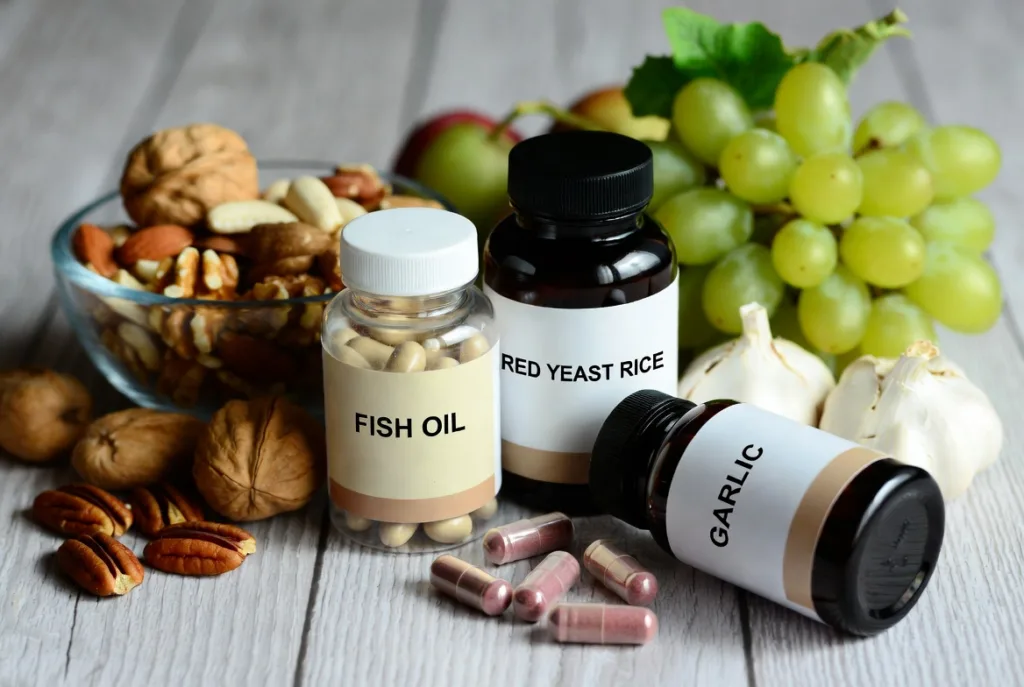
While diet and exercise are foundational, supplements can support efforts. Aged garlic extract reduces harmful lipids and slows plaque progression, with 2025 meta-analyses confirming modest benefits on blood pressure. Consult your doctor, especially if on blood thinners.
Lifestyle tweaks: Quit smoking, manage stress via meditation, and ensure 7-9 hours of sleep nightly. The 2025 AHA stresses comprehensive prevention, including statins for high-risk individuals where lifestyle alone isn’t enough.
Emerging therapies like CAR T-cell strategies show promise in animal models for reducing plaque, but they’re not yet clinical standards.
Beware of misleading “heart-healthy” labels. Processed granolas with trans fats inflame arteries, and excessive sugars sabotage benefits. Stick to whole foods.
Overlooking routine check-ups is another mistake – monitor lipids and use the PREVENT tool annually.
In conclusion, preventing clogged arteries is about sustainable changes: Embrace a Mediterranean-style diet, incorporate HIIT, and stay vigilant with screenings. As per 2025 research, these steps can slash your CVD risk significantly. Your heart deserves it – start today for a healthier tomorrow.
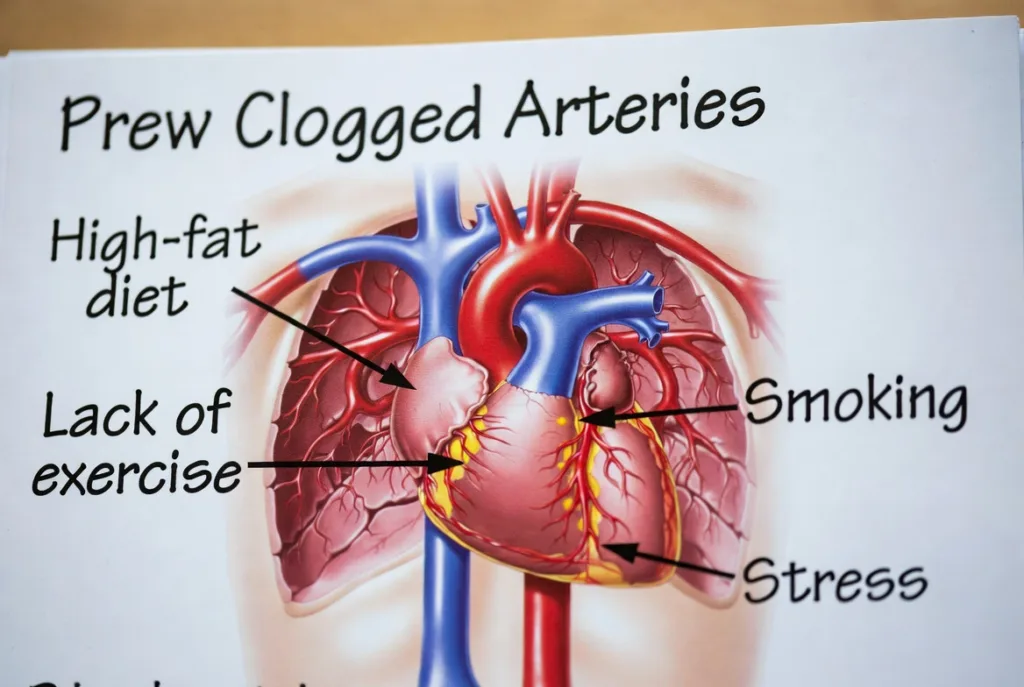
Clogged arteries result from plaque buildup due to high cholesterol, inflammation, hypertension, and lifestyle factors like smoking and poor diet.
While diet is crucial, combining it with exercise and stress management yields the best results, as supported by 2025 AHA guidelines.
HIIT is effective but requires doctor approval, especially for those with existing heart conditions.
Aged garlic extract shows promise, but consult a professional before starting.
Annual check-ups with lipid panels and risk calculators are recommended for at-risk individuals.
View all



May 5, 2025 | by Theo Rowan
April 12, 2026 | by Lila Grayson