
December 18, 2025 | by Theo Rowan
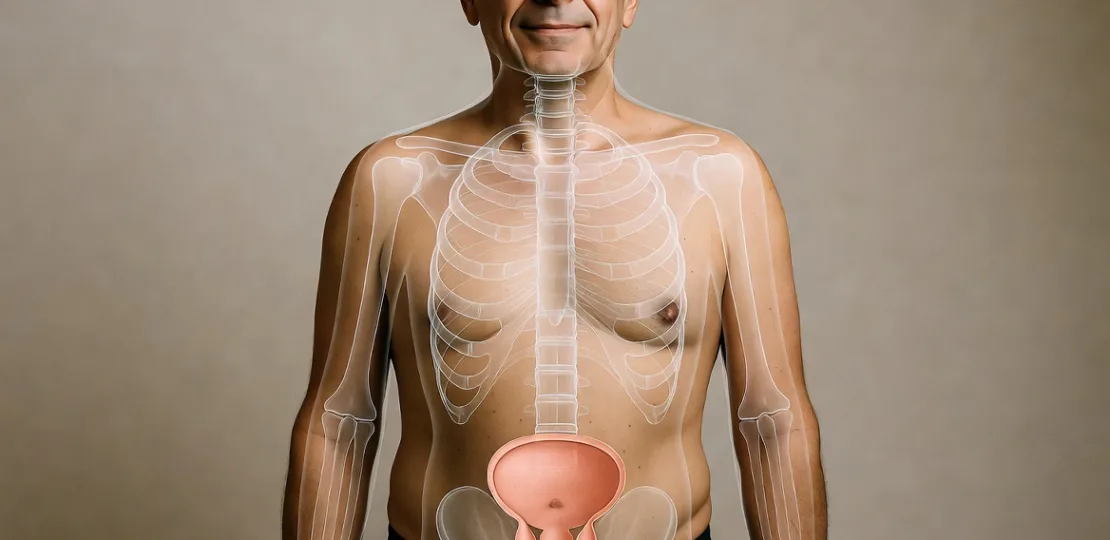
Prostate health is often misunderstood as an unavoidable victim of aging. Many men believe that frequent urination, poor sleep, or discomfort are simply part of getting older. In reality, research and clinical observation show that prostate health is strongly influenced by daily habits, not just age.
The prostate is a small gland, but it plays a critical role in urinary flow, sleep quality, hormone balance, and overall quality of life. When prostate health declines, the effects can ripple into nearly every part of daily living.
Understanding what harms prostate health – and how to correct it – can make a meaningful difference.
One of the most overlooked aspects of prostate health is its relationship with hormones, especially testosterone and estrogen.
As men age, hormonal balance naturally shifts. However, lifestyle factors can dramatically accelerate this imbalance. Increased estrogen activity and reduced testosterone are strongly associated with prostate enlargement and inflammation.
Supporting prostate health means protecting hormonal balance first.
Alcohol, particularly beer, can negatively impact prostate health in multiple ways. Beer contains plant compounds that behave like estrogen in the body. In addition, alcohol increases the activity of an enzyme that converts testosterone into estrogen.
Higher estrogen levels contribute to prostate enlargement, which places pressure on the bladder. This pressure is one of the main reasons men wake up multiple times at night to urinate.
Studies show that men who regularly consume more than two alcoholic drinks per day experience significantly worse urinary symptoms. Reducing alcohol intake – especially beer – can noticeably improve prostate health over time.
Chronic stress is a silent enemy of prostate health.
When stress becomes constant, the body releases cortisol at elevated levels. Cortisol suppresses testosterone production and increases inflammation throughout the body, including in prostate tissue. Stress also causes the pelvic floor muscles to tighten, restricting urinary flow and increasing discomfort.
Improving prostate health often requires stress management strategies such as regular walking, controlled breathing, improved sleep routines, and relaxation practices.
Excess abdominal fat is not just stored energy, it behaves like a hormone-producing organ.
Belly fat contains aromatase, an enzyme that converts testosterone into estrogen. As waist size increases, estrogen production rises, and prostate health suffers. This hormonal shift fuels inflammation and prostate enlargement.
Research shows that men with larger waist circumferences have a significantly higher risk of prostate-related urinary symptoms. Improving diet quality, reducing sugar intake, and maintaining regular movement can directly support prostate health.
Sleep is when the body repairs itself, and prostate health is no exception.
During deep sleep, the body releases melatonin, a hormone with powerful anti-inflammatory properties. Melatonin helps protect prostate cells and supports hormone balance. Men who sleep fewer than six hours per night show higher levels of inflammation and worse prostate symptoms.
Improving sleep duration and quality, by maintaining a consistent schedule, limiting screens before bed, and sleeping in a dark environment, plays a critical role in maintaining prostate health.
Ignoring prostate checkups is one of the most dangerous mistakes men make.
Prostate issues, including serious conditions, can develop silently for years. Simple screening tools such as PSA blood tests and physical exams allow doctors to identify problems early, when outcomes are far better.
Early detection dramatically improves long-term prostate health outcomes and can be life-saving. Regular checkups should be viewed as prevention, not fear.
Lifestyle changes form the foundation of prostate health. In addition to these changes, some men choose nutritional supplements – such as saw palmetto, zinc, pumpkin seed oil, or lycopene – to support normal prostate function.
These supplements are not treatments or cures, but they may complement a healthy routine when used responsibly and under medical guidance.
Prostate health is not determined by age alone. Alcohol consumption, stress levels, body composition, sleep quality, and preventive care all play powerful roles.
By addressing these factors early and consistently, men can protect prostate health, improve daily comfort, sleep better, and maintain a higher quality of life well into later years.
View all



November 19, 2025 | by Brent J. Smith

May 19, 2025 | by Theo Rowan


